


At Risk After Calling at Ukrainian Ports? Black Sea Merchant Vessels Face New Attack Risks
Source:
2026-11-20
According to CNSS, the latest assessment by Ambrey, a professional maritime security services provider, indicates that it is a "realistic possibility" that Russia considers the trade records of a vessel manager's or shipowner's entire fleet—not just the records of a single vessel—when selecting targets. Therefore, screening should cover not only the vessel's own records but also the history of sister vessels and commonly managed ships calling at Ukrainian ports.
Tomas Alexa, a senior analyst at Ambrey, emphasized that maritime security risks in the Western Black Sea continue to rise as unmanned attacks persist in threatening merchant shipping. "Recent attacks demonstrate that the threat posed by unmanned aerial vehicles (UAVs) and unmanned surface vessels (USVs) to commercial shipping in the Western Black Sea is intensifying. Ambrey's intelligence suggests that risk exposure may extend beyond a vessel's current voyage, encompassing its past trade activities in Ukraine and potential fleet-level associations," he stated.
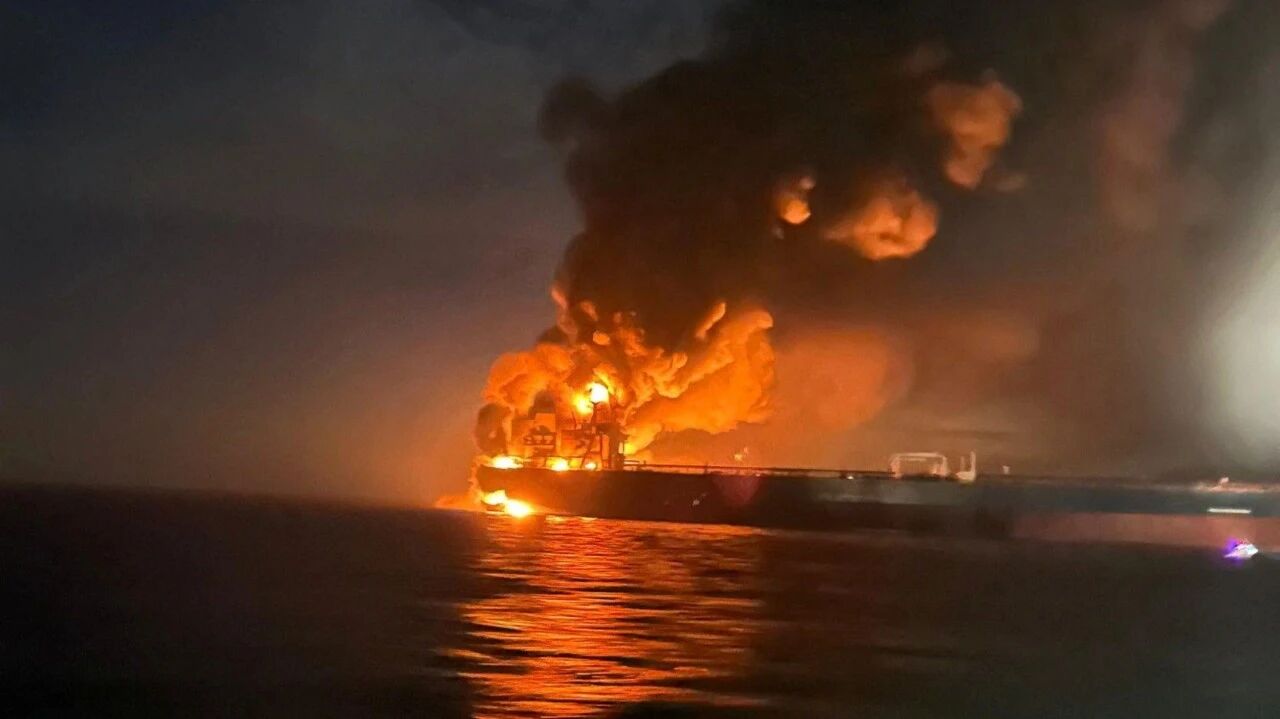
According to his assessment, understanding these evolving targeting patterns is crucial for shipowners, operators, and insurers to evaluate risk exposure, ensure crew safety, and make informed operational decisions.
Ambrey has confirmed that five out of the six attacked vessels had called at a Ukrainian port at least once in 2026.
Over the past week, Russian strikes on merchant shipping in the Western Black Sea have continued. Reports indicate that six vessels have been attacked since November 13. Ambrey stated that four of them were targeted by drones near the Sulina anchorage in Romanian waters, while two others were hit in Bulgarian waters. The increasing frequency and expanding geographic scope of these attacks suggest that the threat to merchant shipping remains persistent.
Ambrey has traced this Western Black Sea attack campaign back to July 20, 2026, with the scope of strikes gradually expanding into the maritime areas of Romania and Bulgaria.
The rising frequency of attacks, including incidents within Bulgaria's Exclusive Economic Zone (EEZ), highlights the growing risk exposure for vessels operating along regional trade routes. Ambrey warned that the pace of attacks and their spread into the waters of two NATO member states indicate a sustained campaign rather than isolated incidents.
All six vessels attacked in Romanian and Bulgarian waters during this period were identified as having links to Ukrainian trade.
"In this context, it is a vessel's trade history, not just its current voyage, that places it within the targeting profile," Ambrey wrote in its analysis.
Furthermore, Ambrey assesses that further USV and UAV attacks against merchant shipping are highly likely in the Western Black Sea, including in Romanian and Bulgarian waters. Smaller vessels face a higher risk of severe hull damage and total loss.
Ambrey stated that the emergence of USV attacks in Bulgarian waters, coupled with drone strikes within Romanian territorial waters, indicates that Russia is increasingly prepared to target shipping within the exclusive economic zones of NATO member states.
Hot News