


Dry Bulk Demolition Falls to 18-Year Low
Source:
2026-11-19
Driven by firm freight rates and the continued operation of older vessels, global dry bulk ship demolition fell 36% year on year in 2026, marking an 18-year low.
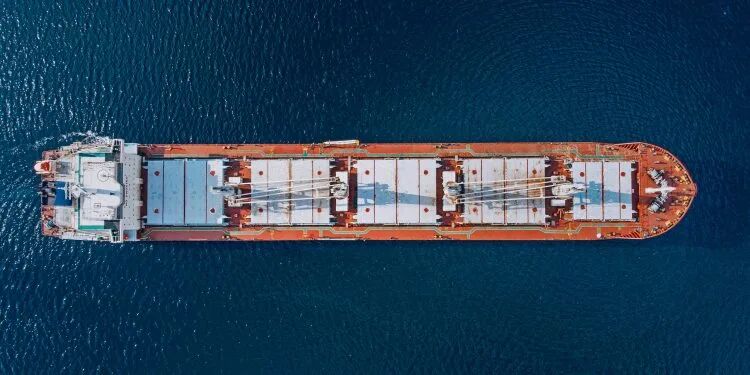
BIMCO's Shipping Number of the Week, released on November 11, showed that only 70 dry bulk vessels, totaling 3 million dwt, were demolished worldwide in the first ten months of 2026. The scrapped tonnage was dominated by smaller vessels, mainly Handysize and Supramax ships.
The prolonged slowdown in ship recycling has created a significant demolition backlog. BIMCO estimates that, based on historical retirement patterns between 2000 and 2019, an additional 856 vessels totaling 61 million dwt should have been demolished, equivalent to about 6% of the current dry bulk fleet's capacity. As a result, fleet aging has intensified. The average age of dry bulk vessels has now risen above 13 years, compared with around 10 years at the start of the decade.
There are currently 1,035 dry bulk vessels aged over 25 years, representing 46.7 million dwt, or 7% of the fleet by number and 4% by capacity. Older tonnage is concentrated mainly in the Handysize and Panamax segments.
Filipe Gouveia, BIMCO's Shipping Analysis Manager, noted that extended vessel service lives have gradually aged the dry bulk fleet, pushing the average age above 13 years from about 10 years at the beginning of the 2020s.
Looking ahead, BIMCO expects the dry bulk market's supply-demand balance to weaken gradually in 2027 and 2028 as newbuilding deliveries accelerate. New ship deliveries are forecast to rise 19% in 2027 and a further 4% in 2028, driven mainly by the Capesize segment.
This outlook aligns with BIMCO's latest dry bulk market forecast, which points to continued fleet growth and ongoing pressure on the supply-demand balance.
Weaker freight rates could prompt shipowners to retire older vessels, lifting demolition volumes to 5.5 million dwt in 2027 and 9.2 million dwt in 2028, the highest annual levels since 2020.
However, BIMCO cautioned that even with such a rebound, demolition would remain below the peaks seen in the 2010s, and a large volume of older ships would continue to operate.
Gouveia concluded that despite the expected recovery, demolition levels would still be low compared with the highs of the 2010s, and the backlog of aging vessels would persist.
Hot News