


12 Years On, U.S. Removes 'Conditions of Entry' Restrictions on Nigerian Ports
Source:
2026-08-20
According to a report by Reuters, Nigeria's Minister of Marine and Blue Economy, Adegboyega Oyetola, announced on August 18 that the United States has officially lifted safety restrictions imposed on vessels from Nigeria that had been in place for over a decade. Industry analysts believe this move will help reduce shipping costs on relevant routes and enhance the competitiveness of Nigerian ports in the international shipping network.
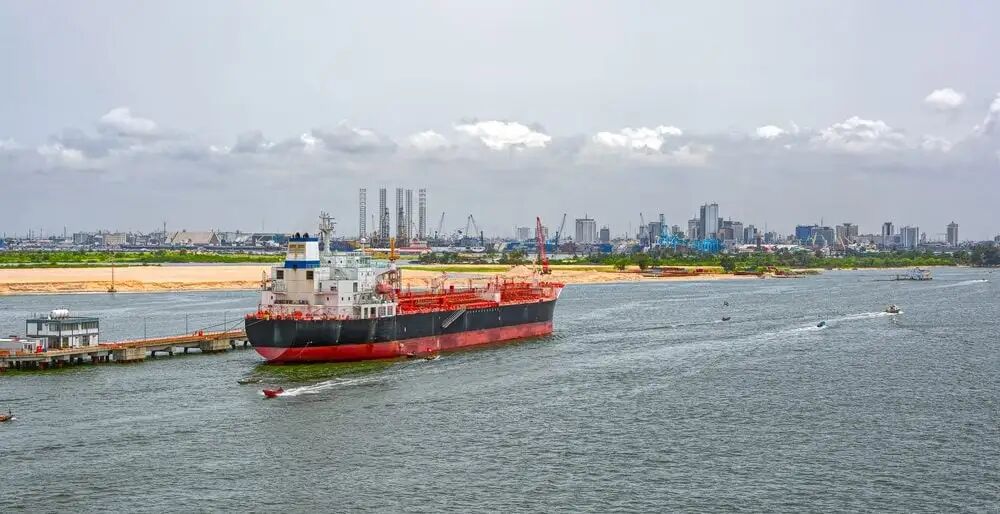
The restrictions, known as the "Conditions of Entry" (CoE), were introduced by the U.S. Coast Guard in June 2014. They required vessels bound for the U.S. that had recently called at specific Nigerian ports to undergo additional safety procedures and more rigorous inspections before entering U.S. waters. At the time, the U.S. pointed to deficiencies in Nigeria's port counter-terrorism measures, including inadequate legal frameworks, insufficient oversight by maritime security authorities, and vulnerabilities in port access control and cargo handling procedures.
Oyetola stated that the U.S. decision to lift the restrictions was based on significant improvements in Nigeria's maritime security system, which now fully complies with the requirements of the International Ship and Port Facility Security (ISPS) Code. He emphasized that this marks international recognition of Nigeria's maritime security management.
Under the new rules, vessels sailing to the U.S. after calling at Nigerian ports will no longer be subject to the aforementioned additional security measures. Oyetola noted that this will help shorten vessel turnaround times at ports, improve schedule reliability, and thereby increase the attractiveness of Nigerian ports to international liner operators.
It is understood that between March 2024 and April 2026, the U.S. Coast Guard conducted four comprehensive assessments of Nigeria's maritime security systems and port facilities, ultimately determining that its security standards had reached international levels.
For a long time, the shipping industry has widely held that the CoE restrictions led to significantly higher operating costs—additional onboard inspections, burdensome documentation requirements, and special security procedures not only caused shipping delays but also drove up freight rates and insurance premiums, severely undermining the competitiveness of Nigerian ports.
As of press time, the U.S. Coast Guard and relevant agencies have not issued a public response regarding the lifting of the restrictions. Nigeria, for its part, has stated that it will continue to consolidate its maritime security achievements and actively attract more international shipping routes to call at its ports.
Hot News