


Have Shipowners Had Enough? Industry Bodies Jointly Urge IMO to End Net-Zero Deadlock
Source:
2026-11-20
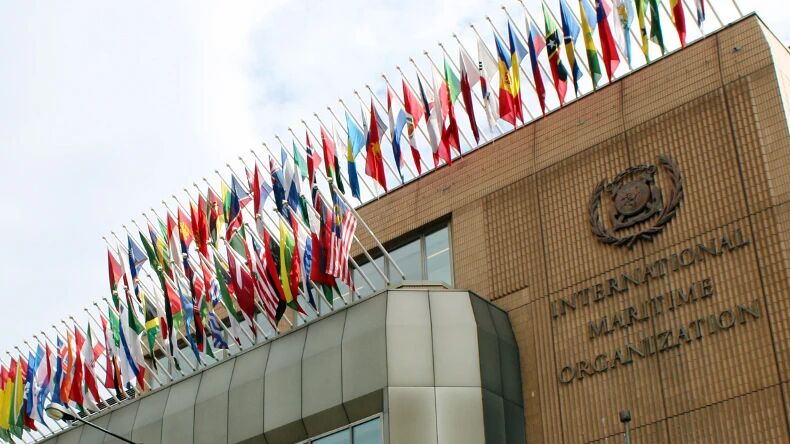
On Wednesday (November 18), nine major shipping associations issued a joint statement urging governments to agree on global greenhouse gas (GHG) regulations, warning that continued uncertainty threatens investments in clean vessels and alternative fuels as the International Maritime Organization (IMO) approaches crucial negotiations. The statement called for the development of practical, enforceable, and globally uniform rules to provide the certainty needed for shipowners and fuel suppliers to invest in maritime decarbonization.
Nine organizations—including the Baltic and International Maritime Council (BIMCO), the International Chamber of Shipping (ICS), the International Association of Independent Tanker Owners (INTERTANKO), the International Association of Dry Cargo Shipowners (INTERCARGO), and the World Shipping Council (WSC)—reaffirmed their support for the IMO's goal of achieving net-zero emissions in international shipping by or around 2050. However, they emphasized that any agreement must consider the cost and availability of alternative fuels, provide flexible compliance mechanisms, and avoid overlapping national and regional regulations.
This call comes as governments prepare to reconsider the IMO's Net-Zero Framework, which was approved as a draft in April 2025 and would progressively tighten GHG fuel intensity requirements alongside a mechanism to price specific emissions. The formal adoption of the framework was postponed in October 2025 due to opposition from the United States and several oil-producing nations.
The statement did not explicitly endorse the current form of the Net-Zero Framework, acknowledging instead that alternative proposals from governments remain under consideration.
A recent analysis by InfluenceMap found broad industry support for an IMO global climate agreement, but with significant divisions over carbon pricing, fuel standards, and how emissions from alternative fuels should be calculated. Industry support has become more cautious, particularly since the framework's adoption was delayed last year.
Prior to the postponement of the Net-Zero Framework, the ICS and WSC had supported adopting the proposed framework as it stood. Recently, however, shipping associations have placed greater emphasis on reaching an agreement without explicitly backing the original proposal.
Another point of contention is the relationship between the proposed global IMO rules and existing European regulations. Several shipping associations have called for the EU Emissions Trading System (EU ETS) and FuelEU Maritime requirements to be reviewed or aligned once an international framework is established, arguing that regulatory overlap creates unnecessary costs.
The appeal from the nine shipping associations comes as the 23rd session of the Intersessional Working Group on Reduction of GHG Emissions from Ships (ISWG-GHG 23) is scheduled to convene from November 23 to 27, followed by the 85th session of the Marine Environment Protection Committee (MEPC 85) from November 30 to December 3. A previously suspended extraordinary session may resume on December 4 to consider the adoption of the framework.
Negotiators remain deeply divided over carbon pricing, compliance costs, and the treatment of different marine fuels. For shipowners making investment decisions for vessels expected to operate for decades, the outcome could affect everything from ship design to fuel procurement and infrastructure development.
Industry groups stated that a global agreement is vital to maintaining a level playing field. Whether governments can provide such certainty while retaining the emission reduction ambition of the original framework remains an open question.
Hot News