


MSC's Expansion Frenzy and Maersk's Follow‑Through: A Fresh Ordering Wave Is About to Break
Source:
2026-08-21
Recently, the global container shipping industry's ratio of orderbook to existing fleet has surged to a historic high of nearly 42%, highlighting the intense competition among major liner companies to expand capacity in the race for market share.
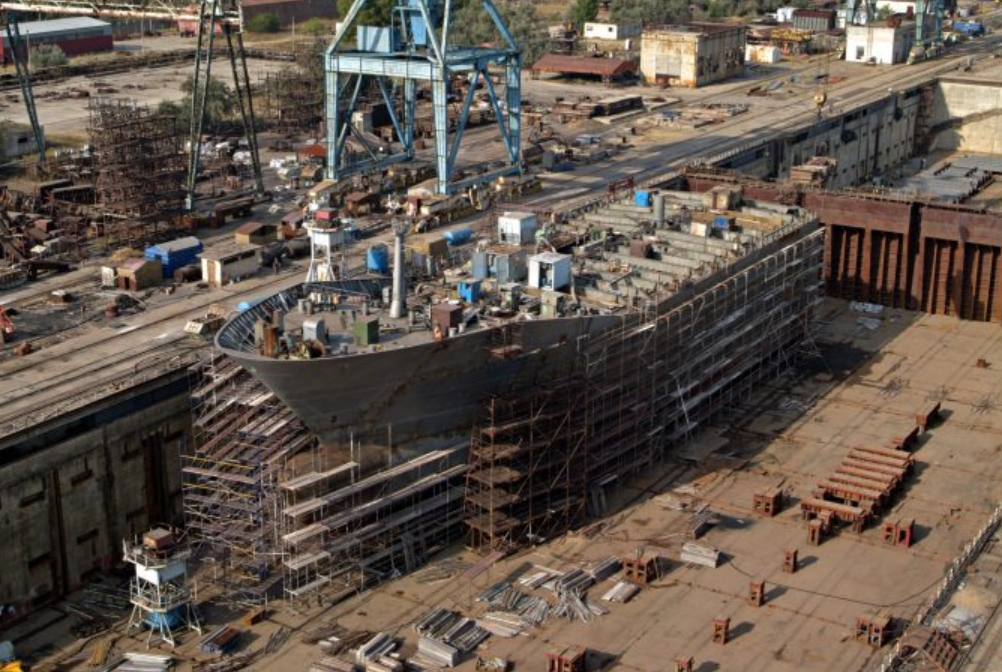
According to shipping consultancy Linerlytica, the global container ship orderbook has reached 1,712 vessels totaling 13.7 million TEU, equivalent to more than 40% of the current fleet capacity. Chinese shipyards hold a dominant position in this sector, currently building approximately 80% of all container vessels under construction worldwide.
MSC Continues to Lead with a Massive Orderbook
Mediterranean Shipping Company (MSC) has recently stepped up its newbuilding program. Last week, MSC announced two major orders in succession: placing an order with Hengli Heavy Industry for ten 21,850 TEU vessels, and ordering five 21,750 TEU vessels from Zhoushan Changhong International Shipbuilding Co., Ltd., all scheduled for delivery in 2029. According to Alphaliner statistics, MSC currently operates a fleet of 1,006 vessels with a total capacity of 7.36 million TEU, and holds an orderbook of 159 vessels totaling 2.78 million TEU — equivalent to nearly 30% of its existing fleet capacity.
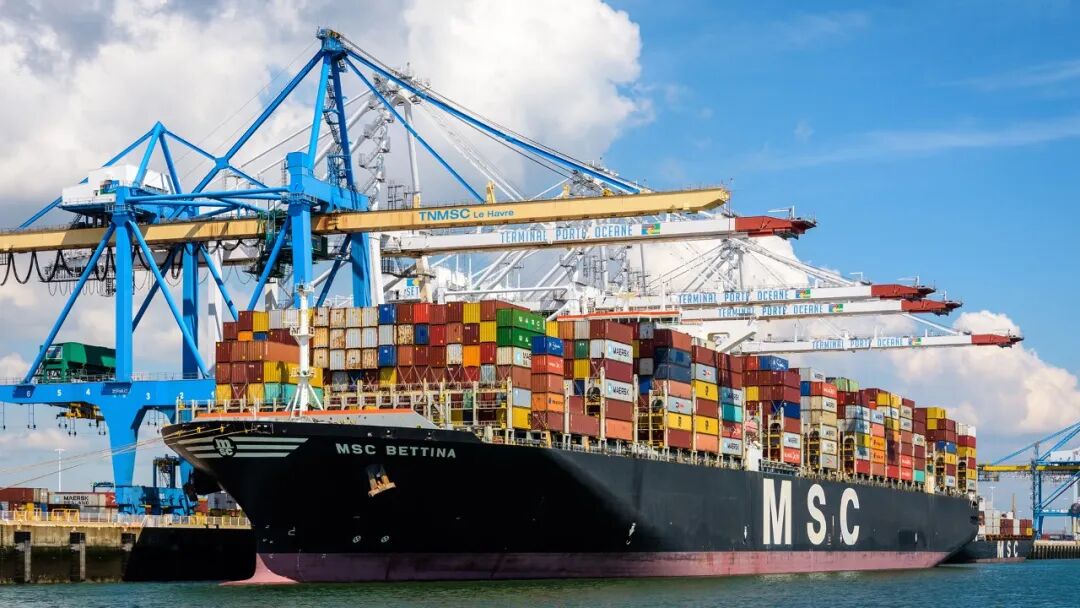
In recent years, MSC has consistently favored ultra-large container vessels. Throughout 2024, MSC placed newbuilding orders for 56 vessels totaling approximately 1.1 million TEU. All 56 newbuilds were contracted with Chinese shipyards and all feature LNG dual-fuel designs. At present, the vast majority of MSC's orderbook consists of vessels above 10,000 TEU, with multiple major Chinese shipbuilders integrated into its supply chain.
Notably, MSC's expansion ambitions extend beyond the container shipping market. This year, through a Luxembourg-based subsidiary, MSC reached a share purchase agreement with South Korea's Sinokor to acquire a 50% stake in the latter. Sinokor has been steadily acquiring very large crude carriers (VLCCs) in recent years and has grown into one of the world's largest VLCC owners.
Wan Hai Lines Expands Deep-Sea Presence, Overtakes Peers in Orderbook
Taiwan-based liner company Wan Hai Lines has also recently announced newbuilding plans.
On August 12, Wan Hai Lines, through its subsidiary, confirmed an order with Shanghai Waigaoqiao Shipbuilding for six approximately 11,000 TEU container vessels, featuring both methanol-ready and LNG dual-fuel-ready capabilities, with an average unit price of $118 million to $124 million. At the same time, Wan Hai adjusted an order placed in March of this year, upgrading one originally planned 9,200 TEU vessel to an 11,000 TEU dual-fuel-ready design. To date, Wan Hai has placed orders at Waigaoqiao for seven 11,000 TEU vessels and one 9,200 TEU vessel this year, with total order values ranging from approximately $928 million to $980 million.
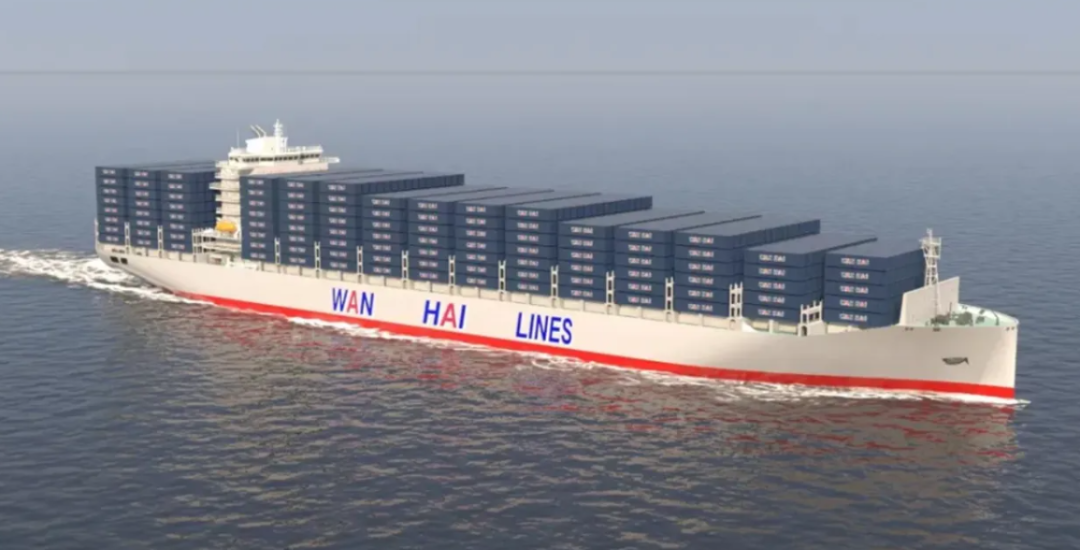
This marks the first time Wan Hai has ordered container vessels exceeding 10,000 TEU from a mainland Chinese shipyard. In addition, Wan Hai placed orders earlier this year with Huangpu Wenchong for ten 6,000 TEU-class LNG dual-fuel-ready vessels. Including the latest orders, Wan Hai has publicly announced newbuilding orders for 14 vessels this year, with total costs reaching up to $1.532 billion.
Alphaliner statistics show that Wan Hai's current orderbook stands at 49 vessels totaling 500,000 TEU, surpassing fellow Taiwan-based carrier Yang Ming Marine Transport (21 vessels, approximately 268,000 TEU). Wan Hai's orderbook represents 73% of its existing fleet size, making it the most aggressive in terms of growth among the top ten liner companies. In terms of medium- to long-term planning, Wan Hai expects to take delivery of 42 new vessels between 2027 and 2030, with overall capacity anticipated to increase by approximately 475,000 TEU.
Maersk May Abandon Capacity Cap Amid High Utilization Pressure
Meanwhile, more newbuilding orders are in the pipeline. Maersk CEO Vincent Clerc hinted during the company's recent half-year earnings call that the company may abandon its self-imposed policy — in place since 2018 — of capping annual fleet growth at no more than 2%, a period during which its main competitors have averaged fleet growth of 11.7%.
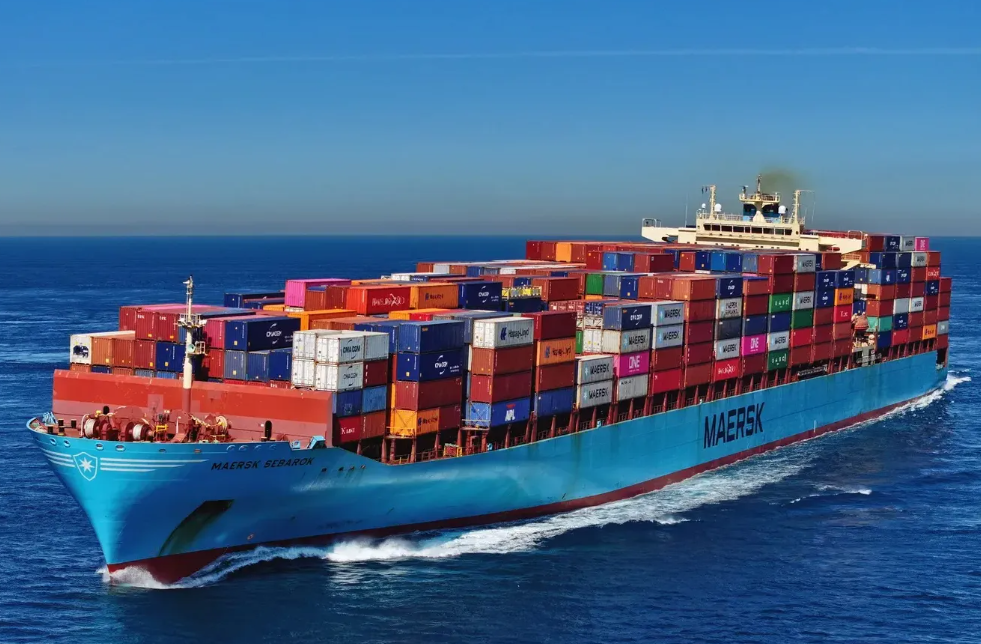
Maersk had previously reiterated that its total fleet capacity would be broadly maintained between 4 million and 4.4 million TEU, with newbuildings intended only as replacements rather than net additions. However, its operating fleet capacity has now exceeded 4.7 million TEU, substantially surpassing the original ceiling. Clerc stated during the earnings call that, thanks to operational efficiency gains from the Gemini Cooperation, the company's cargo volume growth has outpaced fleet growth by approximately two percentage points, with vessel utilization remaining at a relatively high level of 96%. However, he also noted, "The Gemini cooperation is now fully in its baseline operational phase, and the room for further improvement in asset turnover may no longer be significant... With utilization already at high levels, our task will be to ensure we have sufficient capacity to support business growth."
Industry analysts believe the above remarks may signal that Maersk is poised to launch a new round of ship ordering. Linerlytica expects container ship orderbook volumes to climb further over the next six months. However, some industry analysts remain cautious. Drewry's managing director analyzed that Maersk will most likely focus on two objectives: first, replacing older vessels to meet increasingly stringent environmental regulations; and second, adding more vessels suited to the fast-growing intra-regional trade routes.
From a broader perspective, Maersk's shift in stance reflects deeper changes in the container shipping market. Although the market has long been plagued by anxiety over an oversupply of newbuildings, Maersk believes that as long as market demand remains resilient, the supply-side pressure from new vessels may be less severe than previously anticipated. Continued export growth from the Far East, with an increasing share of industrial goods such as batteries, solar modules, and wind power equipment, is providing relatively solid underlying demand support for the container shipping market.
Hot News