


Chattogram Announces New Round of Protests as DP World Takeover Hits Obstacles
Source:
2026-09-21
On September 19, the Chattogram Port Protection Struggle Committee held a press conference in Chattogram, Bangladesh, announcing a new round of protests against the handover of the New Mooring Container Terminal (NCT) at Chattogram Port to DP World. Committee Chairman Humayun Kabir and General Secretary Ibrahim Khokon said at the event that a human chain would be held from 3 p.m. to 4 p.m. on Tuesday, September 22, and a march would be held at 3 p.m. on September 27 from Fakirhat to the “One-Stop” area.
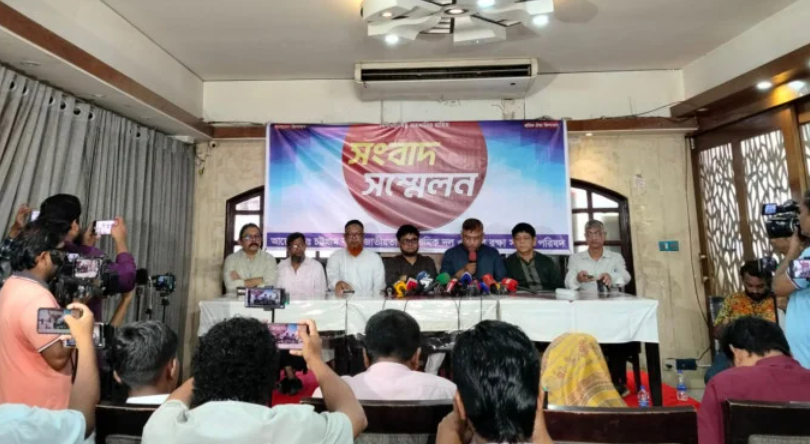
The core demands of this round of protests include: withdrawal of the cases filed against 15 port employees for protesting the proposed NCT agreement; recruitment for vacant positions at the port; and an end to all activities related to handing over NCT to a foreign operator. Ibrahim Khokon said he believed the government would put Bangladesh’s interests first and would not allow a foreign company to operate NCT or any other facility at Chattogram Port.
Humayun Kabir stressed at the press conference that NCT has been in operation since 2008 and is already equipped with modern container handling equipment, and does not need any foreign investment under its current operating conditions. He said handing it over to a foreign company would amount to giving away for nothing an asset that already generates considerable revenue, and claimed that NCT generates about 25 billion taka in net profit annually. He also questioned the rationale for bringing in a foreign operator, noting that Chattogram Port currently handles more containers than DP World has proposed to handle after five years.
Workers’ organizations also raised employment concerns. Humayun Kabir noted that the proposed arrangement could affect dock workers, commercial workers, and about 1,000 Chattogram Port Authority employees currently working at the terminal. He said that not even a single khalasi had been recruited in the past two years, and if the recruitment freeze continued, several port departments could face operational difficulties next year. He also said Chattogram Port provides direct and indirect employment to about 100,000 people, and urged the government to maintain and expand this employment base.
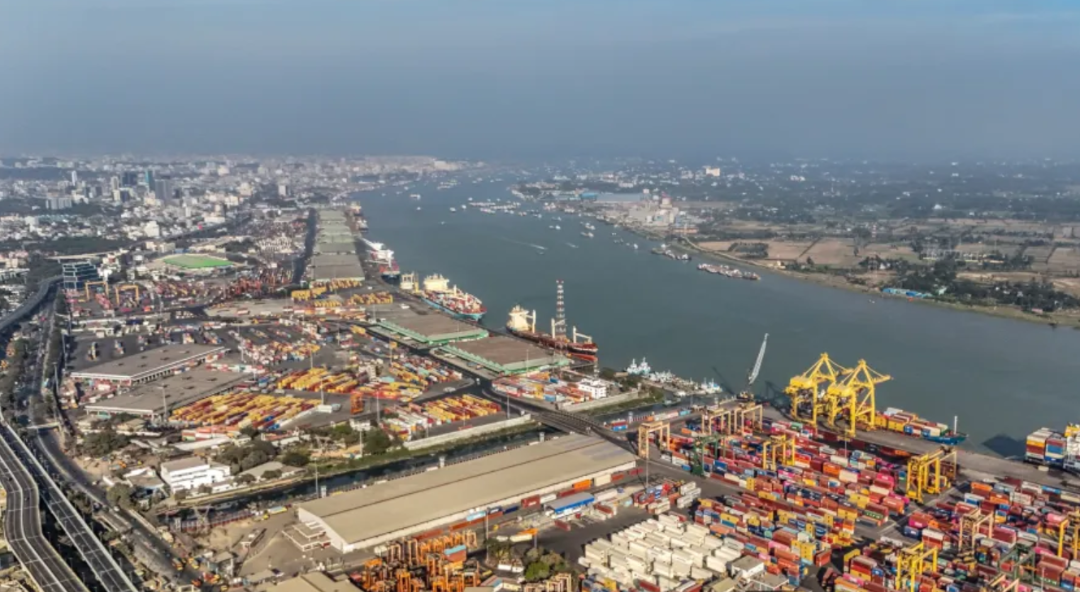
Ibrahim Khokon demanded the withdrawal of the cases against the 15 port employees and claimed that foreign operation of the terminal could lead to capital flight, unemployment, and greater foreign influence over Bangladesh’s main seaport. He warned that if political instability occurred in the country, Chattogram Port could be used as a political tool, disrupting the economy and supply chains. He also criticized the Chattogram Port Authority chairman’s statement that the availability rate of NCT’s operational equipment had fallen to about 70 percent, below international standards, calling the claim motivated and saying that an analysis of port documents, equipment procurement records, and information from maritime logistics experts did not support it. He further alleged that 75 percent of the personnel of a company conducting a survey inside the port on behalf of DP World were Indian nationals. The government is still continuing discussions on bringing in a foreign operator for NCT, while workers’ organizations and civic groups oppose the proposed arrangement. In March this year, the Appellate Division of the Supreme Court of Bangladesh rejected a challenge to the legality of the relevant procedure, clearing legal obstacles for the Chattogram Port Authority to reach an agreement with a foreign operator on NCT.
Based on the plans announced so far, the protests will mainly take the form of human chains and marches; no full-scale strike or terminal blockade has yet been announced, so the immediate impact on cargo handling at Chattogram Port remains to be seen. However, the launch of the new round of protests has further escalated the dispute over the NCT handover and may have multifaceted effects on port operations and supply chain expectations.
Hot News