


At least 8 workers dead in toxic gas leak at LNG shipbreaking yard
Source:
2026-08-17
A toxic gas leak at a shipbreaking yard in the Chattogram region of southeastern Bangladesh has killed at least eight workers, with several others missing and many injured. The tragedy has once again cast a harsh spotlight on the long-standing safety and environmental problems plaguing the global shipbreaking industry.
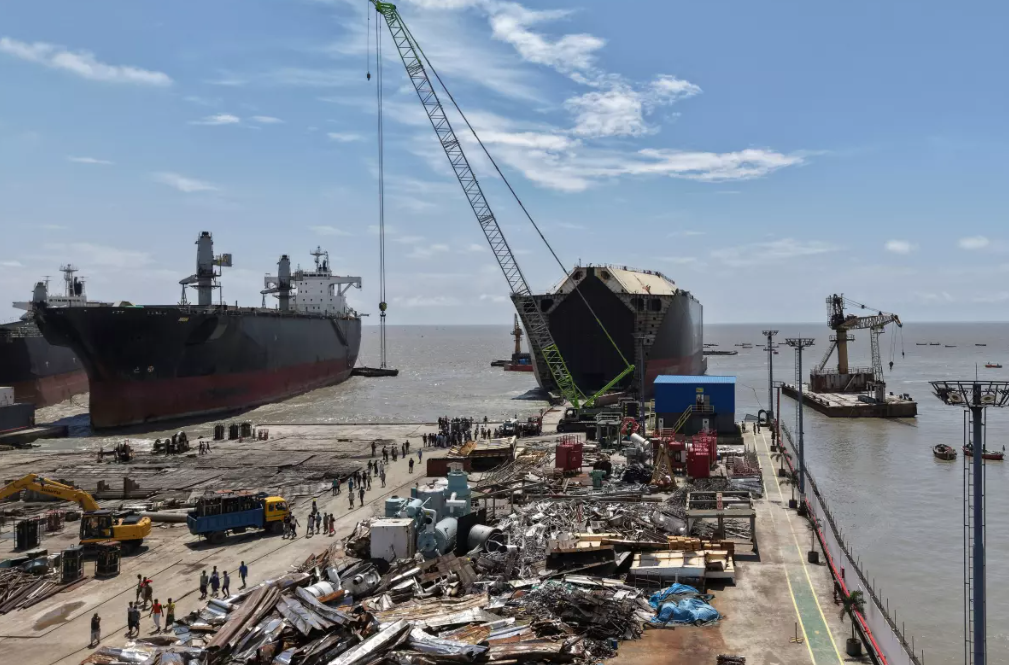
Toxic Leak During LNG Vessel Dismantling
The accident occurred in the Sitakunda area near Chattogram city, at the Ferdous Steel Shipbreaking Yard and Recycling Factory. At the time, workers were dismantling a decommissioned liquefied natural gas (LNG) carrier.
According to local police and fire department officials, toxic gases leaked from the ship's tanks, poisoning multiple workers on site. Witnesses reported hearing screams from the yard, after which some victims were rushed to hospital by their colleagues. Firefighters arrived promptly and rescued several trapped workers from the vessel's compartments.
Cause: Failure to Follow Degassing Procedures
Towfiqul Islam Bhuiyan, a local fire department official, said after inspecting the scene that the vessel, which had been used to transport LNG, had been idle for a long time. Regulations require that ships be cleaned and degassed before dismantling, but the yard appears to have skipped this step, leaving toxic gases such as carbon monoxide inside the tanks.
"Workers who came into contact with the gas died, while those farther away survived," Bhuiyan told the media. He noted that degassing involves extra costs, and some companies avoid it to save money.
Mahbubul Hasan, a senior factory inspection official with the local government, said an investigation is underway into the cause of the leak and whether the yard had taken adequate safety measures for its workers. Ferdous Steel Shipbreaking Yard has not publicly commented on the incident.
Notably, the yard had previously been listed as a "green" compliant facility. However, the accident shows that even at officially certified yards, the actual enforcement of safety protocols remains seriously flawed.
Safety Concerns at the World's Largest Shipbreaking Hub
Bangladesh is one of the world's largest shipbreaking destinations, with yards concentrated along a narrow 20‑to‑25‑kilometre stretch of coastline near Chattogram. The region hosts about 150 registered shipbreaking yards, accounting for roughly 36% of global ship recycling volume, with an annual turnover of $2.46 billion. The industry supplies more than half of Bangladesh's domestic scrap steel and employs tens of thousands of workers.
However, the sector has long been criticised by labour rights groups and environmental organisations for substandard safety and working conditions. According to the Bangladesh Institute of Labour Studies, at least three workers died and 38 were injured in Sitakunda shipyards between July and December 2025 alone. Data from the Bangladesh Labour Resource and Support Centre shows that 124 people have died in shipyard accidents over the past nine years.
Environmental groups point out that the yards lack proper safety protocols and environmental standards, and that end‑of‑life ships from Western countries bring hazardous waste to Bangladesh. Shipbreaking activities are also blamed for coastal pollution caused by toxic waste and heavy metals.
Hot News