


Simultaneous Strikes Erupt at Germany's Three Major Container Ports!
Source:
2026-08-19
According to foreign media reports, due to the failure to reach an agreement in the latest round of collective bargaining, the German service industry union (Ver.di) launched a nationwide warning strike. Starting from August 17, the action was gradually expanded from Bremerhaven to Hamburg and Wilhelmshaven, causing operations at Germany's three major container hub ports to be simultaneously disrupted.
The strike action officially began on the night of August 17. Ver.di called on all dockworkers covered by the port collective bargaining agreement to hold a 24‑hour warning strike starting from the night shift that day. The first port to be confirmed was Bremerhaven, where the local EUROGATE container terminal implemented a full-day work stoppage from 06:00 on August 18 to 06:00 on August 19. In a customer notice, the terminal operator made it clear that all loading and unloading operations would be suspended during the strike, no new truck or rail transport bookings would be accepted, and customers were advised to adjust their logistics plans accordingly.
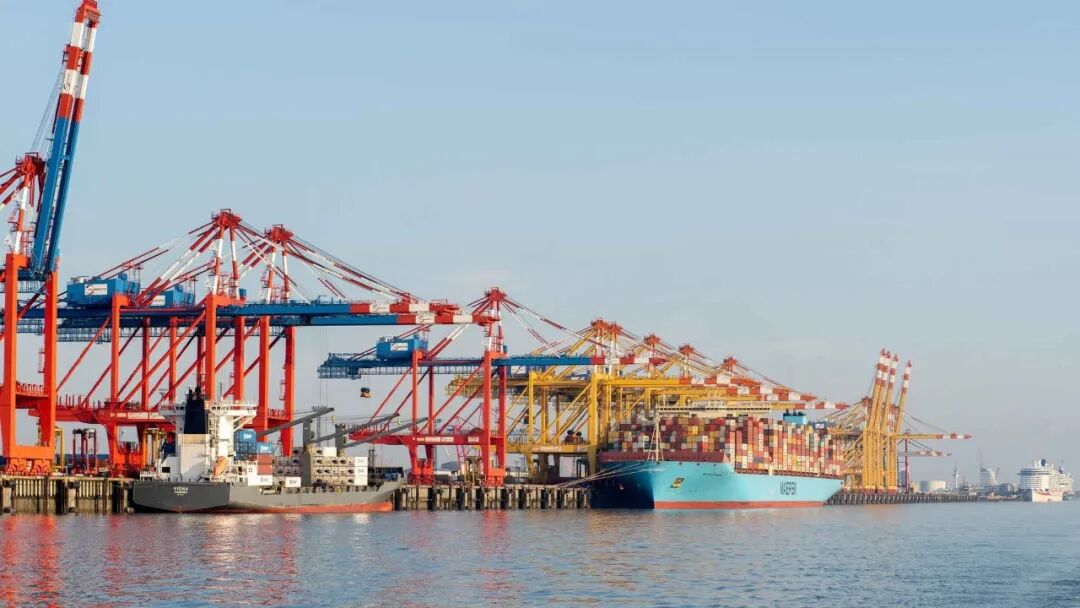
Subsequently, the union quickly expanded the action to Hamburg and Wilhelmshaven. In the Port of Hamburg, more than twelve port companies were affected, including the three major container terminals of Hamburger Hafen und Logistik AG (HHLA) – Altenwerder, Burchardkai and Tollerort – as well as the EUROGATE Hamburg Container Terminal and the Hamburg Port Authority Group (GHB). According to the union's plan, a large-scale strike demonstration began at 09:00 on August 18 at the HHLA Burchardkai Container Terminal, with participants subsequently marching through the port area to express their dissatisfaction with the wage proposal.
In Wilhelmshaven, terminal operations came to a complete standstill from 22:00 on August 17 until 22:00 on August 18. During this period, all truck and rail time slots were unavailable for booking, shipments entering and leaving the port faced severe delays, and inland transport connections were directly impacted.
The trigger for this strike was the complete breakdown of collective bargaining between the Central Association of German Seaport Operators (ZDS) and the Ver.di union. Previously, ZDS had submitted a wage offer described as a "final proposal," which included a 5.1% wage increase, an additional €300 in holiday pay, and special allowances for container terminal workers, with the agreement valid for 19 months. However, Ver.di, representing about 11,000 port workers, stated that the proposal was rejected by an overwhelming majority of employees, with low‑income frontline workers in particular believing that the increase fell far short of expectations for inflation compensation. The union's initial demands were a wage increase of 8.2% and a contract duration of only one year. With the two sides far apart, warning strikes followed as soon as the peace obligation period expired.
Regarding the escalation of the strike, ZDS expressed "deep disappointment." The employers' association spokesperson pointed out that port companies are currently under severe economic pressure and described the union's tough stance as "difficult to understand," arguing that it fails to adequately take into account the industry's real operational difficulties. Ver.di, however, insisted that workers' real purchasing power has been severely eroded by sustained inflation and that they must receive stronger compensation.
To date, no date for a third round of negotiations has been set, and neither side has shown signs of backing down. Considering that Germany's North Sea ports handle nearly one‑third of Europe's container import and export transshipment volume, any prolonged strike could lead to terminal congestion, shipping schedule disruptions and inland transport bottlenecks. Shipping companies, cargo owners and logistics providers are closely monitoring developments and have already begun drawing up contingency plans to cope with potentially extended industrial action.
Analysts warn that if the deadlock continues, longer or wider warning strikes cannot be ruled out, which would then cause substantial damage to European supply chains.
Hot News